
Korean baseball culture has transformed the nation’s stadiums into entertainment hubs that rival K-pop concerts, creating an irresistible attraction for international visitors and reshaping what sports fandom can be.
Would you believe that in a country of 50 million people, a quarter of the population actively follows baseball? Korea’s baseball culture has evolved into something far beyond a simple sporting event—it’s become a cultural phenomenon that foreign visitors, international players, and even Hollywood celebrities can’t stop raving about.
As someone who’s spent years immersed in the Korean cultural industry, I’ve witnessed firsthand how the KBO (Korea Baseball Organization) has mastered the art of turning baseball games into unforgettable experiences. Let me take you through why Korean baseball culture has become a must-experience phenomenon for anyone visiting Korea.
The Electric Atmosphere That Rivals K-pop Concerts
When Hollywood stars Ryan Reynolds and Hugh Jackman visited Gocheok Sky Dome during their “Deadpool & Wolverine” promotional tour, they were left speechless by what they witnessed. Reynolds compared the atmosphere to “a world-class pop star’s concert” rather than a typical baseball game.
What makes Korean baseball stadiums so special? It’s the non-stop energy that flows through the stands for all nine innings.
“The energy of Korean fans is completely different,” observed SSG Landers’ foreign pitcher Drew Anderson. “In America, fans are mostly quiet and just watching the game, but here, they’re constantly engaged and cheering.”
This sentiment is echoed by KIA Tigers’ James Nail, who was blown away by the passionate support: “Even when we’re losing, the fans never stop cheering. It gives us energy to keep fighting.”
The KBO has transformed baseball viewing from passive observation into active participation. With attendance expected to surpass 10 million in 2024—a remarkable achievement for a league of its size—it’s clear that Korean baseball culture has tapped into something special that resonates with both locals and international visitors.
Cheerleaders and Coordinated Chants: Korea’s Unique Cheering Culture

Perhaps the most distinctive aspect of Korean baseball culture is its organized cheering system. Unlike the spontaneous cheering in American ballparks or the more restrained atmosphere in Japanese stadiums, Korean baseball features dedicated cheerleading teams and organized fan sections.
Each team has professional cheerleaders who perform choreographed routines throughout the game, standing on platforms and leading fans in synchronized cheers. The New York Times even featured the KIA Tigers’ “Pikkipikki Dance” in an article about Korean baseball culture, highlighting how these performances have become cultural phenomena in their own right.
What truly captures the attention of foreign visitors is the player-specific chants. Each player has their own unique song that thousands of fans sing in unison when they come up to bat or take the mound.
NC Dinos’ foreign pitcher Kyle Hart expressed his amazement: “The fans here are the most passionate I’ve ever seen. When I heard thousands of people chanting my name in Korean, I got goosebumps. The atmosphere in Sajik Stadium was especially intense.”
These coordinated cheers create a sense of community and belonging that transcends language barriers, allowing foreign visitors to join in and feel connected to the experience even without knowing Korean.
From Spectator Sport to Entertainment Brand: How KBO Transformed Baseball
The KBO has masterfully evolved from being just a sports league to becoming a comprehensive entertainment brand. This transformation is particularly evident in how teams have reimagined their identities and stadium experiences.
SSG Landers has converted Incheon Stadium into a multipurpose cultural space where visitors can enjoy various entertainment options beyond just watching the game. The Doosan Bears’ “Mangom” character has revolutionized sports mascot marketing, creating merchandise that people want to buy regardless of their interest in baseball.
This approach has particularly resonated with Gen Z and Millennial audiences, who now make up a significant portion of stadium attendees. In fact, female fans have become a driving force behind KBO’s explosive growth, changing the demographic landscape of baseball viewership in Korea.
LG Twins’ Dietrich Enns noted: “The fans’ energy makes baseball more fun. Korean fans enjoy baseball regardless of the outcome, which has a positive impact on us players.”
Foreign visitors often comment on how inclusive and welcoming the atmosphere feels—a stark contrast to the sometimes intimidating environment at European football matches or the more subdued American baseball experience.
The K-Food Experience: Chicken, Beer, and Baseball
No discussion about Korean baseball culture would be complete without mentioning the food. The famous “chimaek” (chicken and beer) combination has become synonymous with baseball games in Korea, offering a culinary experience that enhances the overall enjoyment.
Unlike American stadiums with their standard hot dogs and pretzels, Korean baseball venues offer diverse food options ranging from Korean fried chicken and samgyeopsal (pork belly) to traditional Korean street food and craft beers.
Each stadium has developed its own signature dishes and dining areas, turning food into an integral part of the baseball experience. For foreign visitors, enjoying chimaek while watching a baseball game has become a must-do cultural activity in Korea, providing a perfect introduction to both Korean cuisine and sports culture simultaneously.
This fusion of food and baseball creates a festival-like atmosphere that appeals to visitors who might not otherwise be interested in sports, making Korean baseball games accessible entry points into Korean culture.
The Social Media Revolution: How Digital Innovation Transformed Korean Baseball
The KBO’s embrace of digital platforms has revolutionized how fans engage with baseball. In 2024, the league sold broadcasting rights to the OTT platform TVING for approximately $100 million, allowing for more flexible use of baseball content online.
This digital-first approach has enabled fans to edit game footage, create memes, and share content on social media, generating an organic online community around Korean baseball. The introduction of the Automated Ball-Strike System (ABS) has reduced controversial calls, further enhancing the viewing experience.
Foreign visitors are often surprised by how seamlessly technology is integrated into the baseball experience, from digital ticketing systems to real-time statistics available through stadium apps. This technological integration creates a modern, accessible experience that appeals to international audiences accustomed to digital convenience.
From Passive Viewers to Content Co-Creators: The Evolution of Fan Participation
Perhaps the most significant shift in Korean baseball culture has been the evolution of fans from passive observers to active participants in creating the baseball experience. Fans don’t just watch the game—they help create the atmosphere that makes Korean baseball special.
Foreign visitors frequently comment on how this participatory culture makes them feel welcomed and included, even if they’re attending their first baseball game. A Slovenian visitor described her experience at a Doosan Bears game as “like being at a festival where everyone is invited to join the fun.”
German visitors were particularly impressed by the peaceful coexistence of passionate fans from opposing teams—something that contrasts sharply with the sometimes hostile atmosphere at European football matches.
This inclusive atmosphere extends beyond the stadium, with players often spending time signing autographs and interacting with fans. The close relationship between players and fans creates a sense of community that many foreign visitors find refreshing and unique.
Hollywood’s Stamp of Approval: When Stars Discover Korean Baseball
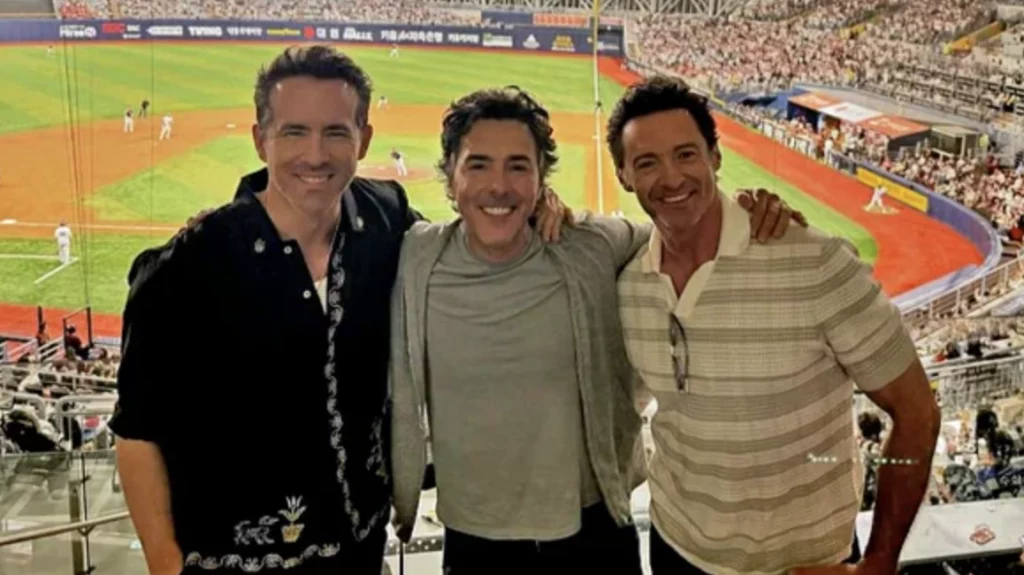
The global appeal of Korean baseball culture received a high-profile endorsement when Ryan Reynolds and Hugh Jackman attended a game at Gocheok Sky Dome during their promotional tour for “Deadpool & Wolverine.”
The Hollywood stars were visibly impressed by the energy and enthusiasm of Korean baseball fans, with Hugh Jackman praising the “different level of energy” from Korean audiences. Their reaction, widely shared on social media, highlighted the potential of Korean baseball as a global entertainment export.
This international recognition comes as the KBO continues to attract more foreign players who are drawn not just by competitive salaries but by the unique atmosphere and fan culture. These players often become cultural ambassadors, sharing their experiences with audiences back home and further raising the global profile of Korean baseball.
Experience Korean Baseball Culture For Yourself
For anyone visiting Korea, attending a baseball game offers an authentic cultural experience that combines sports, entertainment, food, and community in a uniquely Korean way. It provides insights into contemporary Korean culture that you simply can’t get from museums or traditional tourist attractions.
The KBO season runs from late March to October, with playoffs extending into November, offering plenty of opportunities to experience this cultural phenomenon. Tickets are reasonably priced (typically between 8,000-20,000 KRW) and easily accessible through online platforms, even for those who don’t speak Korean.
Whether you’re a baseball fan or not, a KBO game delivers an unforgettable glimpse into contemporary Korean culture—one where passionate fandom, technological innovation, and community spirit come together to create something truly special.
The next time you find yourself in Seoul, Busan, or any major Korean city, skip the typical tourist attractions for an evening and head to the nearest baseball stadium. I promise you’ll experience a side of Korean culture that most tourists never see—and you might just find yourself joining in the cheers by the seventh-inning stretch.
Have you experienced Korean baseball culture firsthand? I’d love to hear about your experiences in the comments below! And if you’re planning a trip to Korea, which aspect of baseball culture are you most excited to experience?
This post is part of our ongoing series exploring the authentic cultural phenomena that are reshaping entertainment landscapes across East Asia. Stay tuned for more insights into how Korean cultural exports are influencing global entertainment trends.