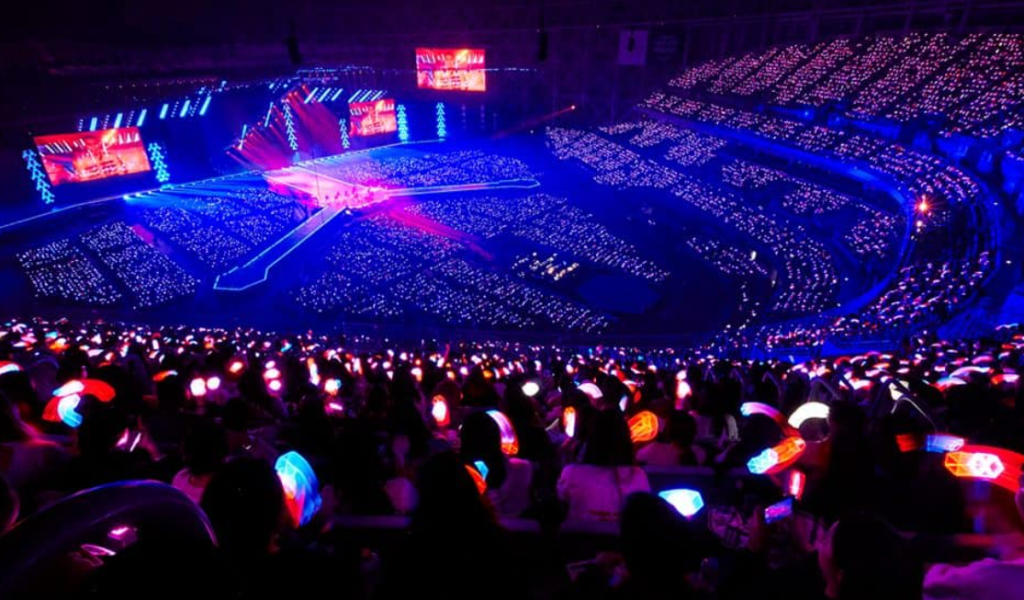
The K-pop idol system demands extraordinary dedication through years of intensive training, strict behavioral regulations, and constant public scrutiny, creating a fundamentally different celebrity development path compared to the relatively flexible Hollywood system that prioritizes individual marketability over standardized training.
The Relentless K-pop Training Machine vs Hollywood’s Open Casting System
The journey to stardom in K-pop begins years before fans ever see an idol on stage. Unlike Hollywood’s relatively accessible audition system, K-pop’s trainee period represents one of the most demanding talent development systems in global entertainment. According to a 2024 report by the Korea Creative Content Agency, the average K-pop trainee undergoes 4-7 years of daily training before debut, with practice routines often exceeding 12 hours daily. This system has become increasingly competitive, with major entertainment companies like HYBE and SM Entertainment accepting less than 1% of audition participants into their training programs.
What makes the K-pop training system particularly challenging is its comprehensive scope. While Hollywood actors might focus primarily on acting technique or specific skills for roles, K-pop trainees must simultaneously master dancing, singing, rapping, language skills, and media training. This multi-disciplinary approach creates what industry veteran and former JYP Entertainment creative director Kim Min-young calls a “pressure cooker environment” where trainees face monthly evaluations that determine whether they remain in the program. The psychological impact is significant—approximately 60% of trainees never make it to debut, according to industry statistics compiled by the Seoul Entertainment Management Association (2024).
In stark contrast, Hollywood’s path to stardom offers multiple entry points. Actors can break through via formal training at institutions, independent film circuits, social media platforms, or even being “discovered” in public. While competitive, the Hollywood system doesn’t impose standardized training regimens, allowing for more personalized development paths. Entertainment industry analyst Marcus Rivera points out, “Hollywood celebrates uniqueness and individual star quality, while K-pop’s system molds talents to fit precisely calibrated group dynamics and company aesthetics.”
Contractual Obligations and Personal Freedom: K-pop’s Iron-Clad Agreements vs Hollywood’s Flexibility
The contractual reality for K-pop idols represents another dimension where the Korean entertainment system proves especially demanding. Standard K-pop contracts, despite recent reforms by the Korean Fair Trade Commission, still typically span 7 years with extensive behavioral clauses that govern nearly every aspect of an idol’s life. These restrictions often extend to personal relationships, social media usage, diet, exercise routines, and even sleep schedules. According to entertainment law expert Park Ji-eun of Seoul National University, “K-pop contracts remain among the most restrictive in global entertainment, creating a framework where agencies maintain unprecedented control over artists’ professional and personal lives.”
This control extends to financial arrangements as well. K-pop idols typically operate under a trainee debt system, where companies recoup training investments—often exceeding $100,000 per idol—before artists receive significant compensation. A 2024 industry analysis by Bloomberg revealed that even moderately successful K-pop groups might not see substantial profits until 3-4 years after debut, with trainees accumulating debt during their pre-debut years that must be repaid through future earnings.
By comparison, Hollywood talent contracts typically focus on specific projects with clearer financial terms. While exclusivity clauses exist, particularly for franchise films or television series, these rarely extend to personal behavior outside of maintaining public image. Hollywood actors generally retain significantly more autonomy in their daily lives, career choices, and personal relationships. Entertainment attorney Lisa Rodriguez notes, “The fundamental difference is that Hollywood celebrities are independent contractors who collaborate with studios, while K-pop idols are more akin to long-term employees developed as company assets.”
Image Management and Public Scrutiny: K-pop’s Perfect Persona vs Hollywood’s Authentic Branding
Perhaps nowhere is the contrast between K-pop and Hollywood more evident than in expectations surrounding public image. K-pop idols operate within an extraordinarily strict paradigm of behavior that entertainment critic Choi Seung-ho describes as a “fantasy preservation system.” This system requires maintaining an approachable, scandal-free image that aligns with traditional values while simultaneously projecting cutting-edge fashion and performance styles. The stakes for image violations are remarkably high—according to social media analytics firm K-PopMetrics, a single controversy can reduce an idol’s brand value by up to 45% within days.
The pressure of maintaining this perfect image is compounded by unprecedented levels of fan engagement. The K-pop fanbase culture, organized around formal fan clubs with names, colors, and structured activities, creates what sociologist Dr. Kim Hye-jin calls “a surveillance ecosystem where idols’ behavior is constantly monitored, analyzed, and judged.” This ecosystem extends across social media platforms, where dedicated fan communities translate, clip, and disseminate content 24/7, making privacy virtually nonexistent for idols.
Hollywood celebrities, while certainly subject to public scrutiny, operate with greater allowance for personal expression and even controversy. The Hollywood brand-building playbook often incorporates elements of authentic personality, including flaws and unique traits that might be considered liabilities in K-pop. Entertainment strategist Jennifer Malik observes, “Hollywood has evolved toward embracing authenticity as a marketable quality, where calculated imperfection often enhances rather than damages celebrity brands.” This approach creates space for recovery from scandals and reinvention that remains largely unavailable to K-pop idols, whose careers can end abruptly after a single significant controversy.
Work-Life Balance and Mental Health: K-pop’s Grueling Schedules vs Hollywood’s Project-Based Work
The physical and mental health challenges within the K-pop system reflect another area where the industry’s demands exceed typical Hollywood expectations. The standard promotional cycle for K-pop groups involves intensely compressed schedules where idols might perform on three television shows in a single day, participate in fan events, record content, and rehearse for upcoming performances with minimal rest. A 2024 industry health assessment conducted by the Korean Performing Arts Medicine Association found that active K-pop idols average just 5.2 hours of sleep during promotional periods, with some groups reporting as little as 3-4 hours nightly for weeks at a stretch.
This schedule intensity, combined with strict diet and exercise requirements, creates substantial health risks. According to medical research published in the Korean Journal of Entertainment Medicine, approximately 35% of active K-pop idols experience symptoms consistent with chronic fatigue syndrome, while nearly 40% report anxiety disorders—rates significantly higher than both the general population and comparable entertainment professions. These conditions are exacerbated by what psychiatrist Dr. Lee Sun-young describes as “a culture of silence regarding mental health challenges, where appearing weak remains taboo despite recent progress.”
The Hollywood work environment, while certainly demanding during filming periods, typically provides clearer boundaries between projects. Film and television productions, despite occasionally grueling schedules, normally include defined wrap dates and contractually mandated rest periods. Actor wellness services, including on-set therapists and health resources, have become increasingly standardized within major studios. As entertainment wellness consultant Rebecca Chen explains, “Hollywood has developed infrastructure around talent sustainability precisely because the industry recognizes that burning out valuable performers doesn’t make business sense long-term.”
Career Longevity and Transition Paths: K-pop’s Brief Window vs Hollywood’s Extended Possibilities
The final dimension separating K-pop idols from Hollywood celebrities involves career sustainability and long-term prospects. The active performance window for K-pop idols remains remarkably compressed, with industry data suggesting the average group promotion period lasts approximately 5-7 years before significant membership changes, rebranding, or disbandment. Male idols face mandatory military service requirements that interrupt careers for approximately 18-21 months, while female idols contend with persistent age-related marketing challenges as they progress through their mid-20s.
Transition opportunities from idol status to broader entertainment careers exist but remain selective. According to casting data compiled by the Korean Film Council, only about 15% of former idols successfully establish sustainable careers in acting, solo music, or entertainment hosting. This creates what career development specialist Kim Jin-woo calls “the idol cliff”—a precipitous drop in opportunities and income that many performers face after their group’s popularity peaks.
Hollywood offers considerably more expansive career timelines, with actors regularly performing well into their 60s and beyond in age-appropriate roles. The transition between different entertainment categories—from action roles to character parts, from on-camera work to production and direction—follows more established pathways. While certainly competitive, Hollywood’s system accommodates career reinvention more readily than K-pop’s youth-focused paradigm. As aging and diversity specialist Maria Gómez notes, “Hollywood has been forced by changing demographics and social movements to create space for evolving careers in ways that K-pop’s more rigid structure hasn’t yet fully embraced.”
The Undeniable Verdict: Different Systems for Different Entertainment Values
When comparing these systems holistically, the evidence suggests that K-pop’s idol development model represents one of the most demanding celebrity creation systems globally. From training intensity to contractual restrictions, from public scrutiny to work-life imbalance, K-pop idols face extraordinary pressures that exceed typical Hollywood expectations. However, this comparison reflects different entertainment philosophies rather than simple difficulty ratings.
The K-pop system excels at producing precisely calibrated performers capable of meeting extremely high standards across multiple disciplines—creating what HYBE’s founder Bang Si-hyuk calls “comprehensive entertainment packages.” Meanwhile, Hollywood’s more flexible approach prioritizes individual star development and adaptability, allowing for greater personal expression within less structured parameters.
As global entertainment continues evolving, these systems increasingly influence each other. K-pop companies have begun adopting more sustainable practices while Hollywood studios incorporate more intensive training elements for certain productions. This cross-pollination suggests that rather than declaring one system definitively “tougher,” we might instead recognize that each model reflects the cultural values and market expectations of its origin while adapting to an increasingly interconnected global entertainment landscape.