K-pop Demon Hunters tourism surges as Netflix anime inspires unprecedented cultural travel growth. Foreign tourists flock to Korea for hanbok experiences, traditional bathhouses, and authentic cultural activities featured in the animation.
Table of Contents
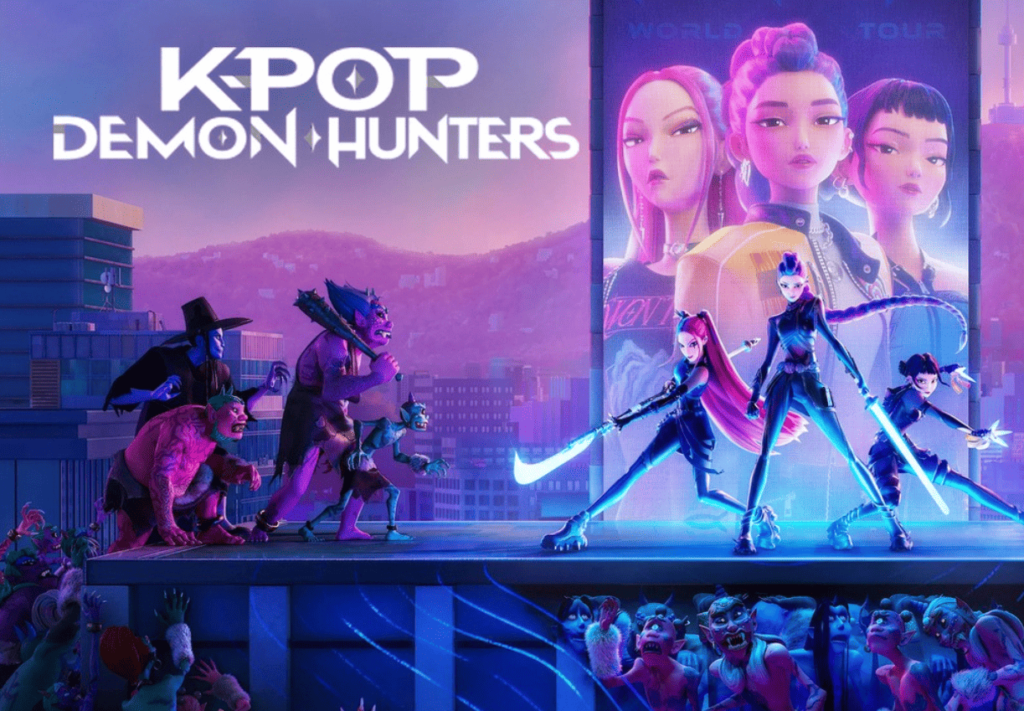
The phenomenon of K-pop Demon Hunters tourism has emerged as a defining force in Korea’s cultural travel industry following Netflix’s groundbreaking animated series release. This unique form of entertainment-driven tourism represents more than casual sightseeing—it’s a cultural movement where international visitors actively seek authentic Korean experiences directly inspired by the animation’s rich portrayal of traditional and modern Korean life.
Recent comprehensive data analysis reveals that K-pop Demon Hunters tourism has generated measurable economic impact across multiple sectors of Korea’s travel industry. Foreign tourists are no longer passive consumers of Korean culture; they’ve become active participants seeking hands-on experiences that mirror the authentic cultural elements showcased throughout the animated series.
The animation’s sophisticated integration of Korean traditions with contemporary K-pop culture has created an entirely new category of cultural tourism. International visitors now arrive in Korea with specific cultural goals inspired by scenes from the show, leading to unprecedented demand for traditional activities that were previously considered niche tourist attractions.
Netflix Anime Tourism Creates Cultural Experience Boom

The release of Netflix’s “K-pop Demon Hunters” has fundamentally transformed how international tourists approach Korean cultural experiences. Anime-inspired travel patterns show that entertainment content can directly influence real-world tourism behavior when cultural elements are authentically integrated rather than superficially presented.
Creatrip, Korea’s leading inbound tourism platform, conducted comprehensive analysis comparing tourism booking data from May 20-June 19 (pre-release) with June 20-July 19 (post-release). The results demonstrate clear correlation between the animation’s cultural content and subsequent tourist behavior patterns.
Cultural tourism surge manifested across multiple experience categories, with particularly strong growth in traditional Korean activities that featured prominently in the animation’s storyline. The show’s natural portrayal of Korean customs, from traditional clothing to bathhouse culture, has educated international audiences while simultaneously inspiring travel decisions.
This entertainment-driven tourism model differs significantly from traditional destination marketing. Rather than promoting Korea through conventional advertising, the animation has generated organic interest through storytelling that naturally showcases cultural authenticity. International tourists report feeling more prepared and excited about Korean cultural experiences after viewing the series.
Demon Hunters Travel Inspires Traditional Hanbok Experiences
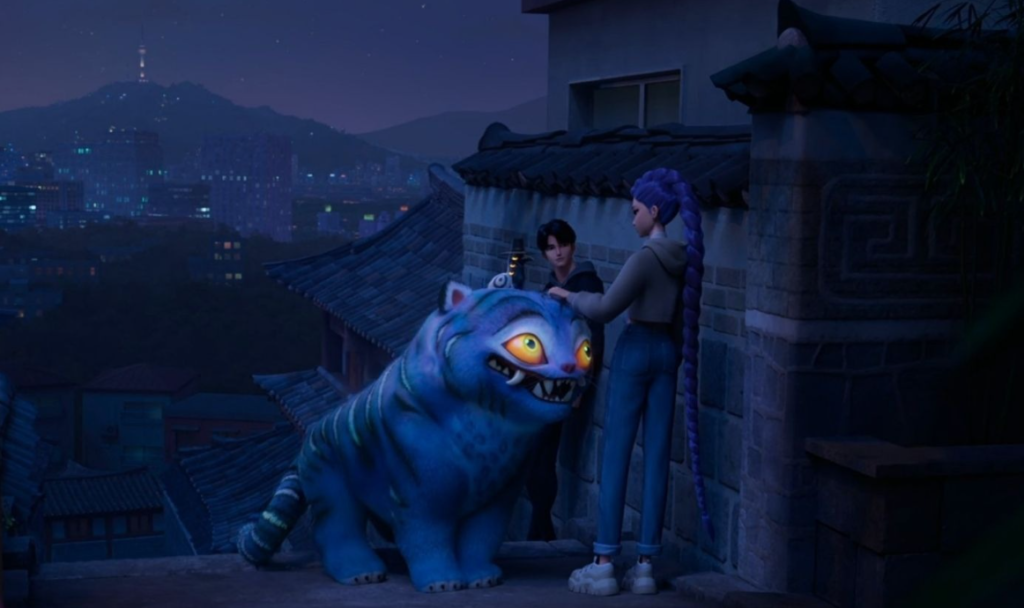
Traditional Korean clothing experiences have become central to Demon Hunters travel itineraries, with hanbok rental services reporting remarkable growth following the animation’s release. The show’s portrayal of characters wearing traditional Korean attire during significant scenes has directly translated into tourist demand for authentic cultural fashion experiences.
Taiwanese tourists demonstrated extraordinary enthusiasm for hanbok experiences, with booking increases reaching 433% compared to pre-animation periods. This dramatic surge reflects the animation’s successful presentation of hanbok as both historically significant and aesthetically appealing to modern international audiences.
The hanbok experience extends beyond simple costume rental to encompass cultural education about Korean textile traditions, historical fashion evolution, and the social significance of traditional clothing in Korean society. Many international tourists report that wearing hanbok provides deeper connection to Korean cultural values and aesthetic principles.
Photography sessions in traditional Korean settings while wearing hanbok have become integral components of K-pop Demon Hunters tourism experiences. Social media platforms feature thousands of posts from international visitors sharing their hanbok experiences at historic palaces, traditional villages, and cultural heritage sites featured in the animation.
Professional hanbok rental services have expanded their offerings to include educational components that explain the cultural context behind different hanbok styles, colors, and accessories. This educational approach appeals to culturally curious international tourists seeking meaningful experiences rather than superficial photo opportunities.
Korean Cultural Experiences Gain International Recognition
K-pop Demon Hunters tourism has significantly elevated international awareness of Korean bathhouse culture, with traditional jjimjilbang experiences showing 84% growth in foreign visitor bookings. The animation’s authentic portrayal of Korean spa and bathhouse traditions has introduced global audiences to uniquely Korean wellness practices.
Korean bathhouse culture represents community-oriented wellness traditions that differ substantially from individualistic spa experiences common in Western countries. International tourists discover that jjimjilbang visits offer insight into Korean social customs, relaxation practices, and concepts of personal care that reflect broader cultural values.
Professional seshin treatments (Korean body scrubbing services) have gained particular popularity among foreign visitors seeking authentic Korean wellness experiences. Many tourists report that participating in traditional Korean spa culture provides cultural immersion opportunities that extend beyond typical tourist activities.
The growth in Korean cultural experiences extends to traditional temple stay programs, craft workshops, and historical site visits. International tourists inspired by the animation’s respectful portrayal of Korean Buddhism and traditional spiritual practices are increasingly participating in temple stay experiences at locations referenced in the series.
K-culture Destinations See Unprecedented Visitor Growth
Korean cuisine tourism has experienced remarkable expansion as part of the broader K-pop Demon Hunters tourism phenomenon. Singapore tourists increased Korean food-related bookings by 157%, while American visitors showed 61% growth in Korean dining experiences, reflecting the animation’s effective integration of Korean culinary culture.
Korean cooking classes have become particularly popular among English-speaking tourists seeking hands-on cultural experiences. These educational programs allow international visitors to learn traditional cooking techniques while understanding the cultural significance of Korean ingredients, preparation methods, and dining customs featured in the animation.
K-food tourism now encompasses restaurant tours, traditional market visits, and regional specialty experiences that extend beyond mainstream Korean dishes. International tourists are increasingly interested in exploring authentic Korean food culture rather than simplified versions adapted for foreign palates.
Traditional Korean dining experiences including temple food, royal court cuisine, and regional specialties have seen substantial growth among culturally curious international visitors. These authentic dining experiences provide deeper understanding of Korean culinary traditions that were subtly incorporated throughout the animation’s cultural narrative.
Animation Travel Trends Drive K-pop Education Tourism
The most dramatic manifestation of K-pop Demon Hunters tourism appears in dance education experiences, with American tourists showing 400% growth and Taiwanese visitors demonstrating 575% increases in K-pop dance class bookings. These extraordinary numbers reflect the animation’s successful portrayal of K-pop culture as accessible and learnable.
K-pop dance studios specifically designed for international tourists have rapidly expanded to meet unprecedented demand. These facilities offer structured programs accommodating various skill levels while providing cultural context about Korean pop music’s historical development and social significance.
Group dance classes have proven particularly appealing to international tourists seeking social cultural experiences. Many visitors report that participating in K-pop dance education provides opportunities for meaningful cultural exchange with Korean instructors and fellow international participants.
Animation travel trends indicate that entertainment-inspired tourism works most effectively when fictional content incorporates authentic cultural elements that tourists can realistically experience. The success of K-pop Demon Hunters tourism demonstrates that well-crafted entertainment can serve as highly effective destination marketing.
Traditional Korean Activities Experience Cultural Renaissance
K-pop Demon Hunters tourism has sparked renewed international interest in traditional Korean cultural activities that featured prominently in the animation’s cultural narrative. Temple stay programs, traditional craft workshops, and historical site visits have all experienced significant booking increases among foreign tourists.
Traditional craft experiences including pottery making, calligraphy, and traditional music lessons have benefited substantially from the animation’s cultural impact. These hands-on activities provide international tourists with opportunities to engage directly with Korean artistic traditions showcased throughout the series.
Cultural heritage sites referenced in the animation have developed enhanced programs specifically for international visitors. These specialized experiences combine historical education with interactive elements that help tourists understand cultural contexts presented in the show’s storytelling.
The revival of interest in traditional Korean activities represents sustainable cultural tourism development that benefits local communities while providing meaningful experiences for international visitors. This authentic approach to cultural tourism appears more sustainable than superficial entertainment-focused attractions.
Tourism Industry Adaptation and Future Development
The remarkable success of K-pop Demon Hunters tourism has prompted strategic adjustments throughout Korea’s tourism industry. Cultural tourism operators are developing innovative programs that authentically combine traditional Korean experiences with modern K-pop elements to meet evolving international tourist expectations.
Data-driven tourism development utilizes booking pattern analysis to identify emerging trends and develop targeted marketing strategies for different international markets. This analytical approach enables more precise cultural programming that matches specific interests demonstrated by tourists from various countries.
Tourism platforms are investing in enhanced cultural education components that provide international visitors with deeper understanding of Korean traditions featured in popular entertainment content. This educational approach creates more meaningful travel experiences while supporting sustainable cultural tourism development.
Future entertainment-tourism collaborations between Korean content producers and tourism organizations are likely to increase as the industry recognizes substantial economic impact potential. Korea’s success with K-pop Demon Hunters tourism could establish new international standards for content-driven destination marketing.
The phenomenon demonstrates that modern international tourists seek authentic cultural experiences connecting entertainment consumption with real-world exploration. This shift toward experiential cultural tourism represents significant opportunities for destinations willing to invest in authentic programming that resonates with culturally curious international audiences.
[K-Culrurereaction.com]
Korean Cultural (k-culture) Journey: Authentic Reactions and Analysis
- Stray Kids Billboard 200 record Success Continues with Historic DO IT Album Achievement
- BTS Jin Solo Concert Wraps Up World Tour with Spectacular Incheon Encore Shows
- Yeonjun Solo EP Marks New Chapter in TXT Member’s Seven-Year Journey
- Suzy Netflix Drama Genie and the Wishes Sparks Mixed First Weekend Reactions
- Lee ChaeMin Acting Journey Through Bon Appetit Your Majesty Success