Discover how K-culture trends 2025 are revolutionizing global entertainment through K-pop innovation, K-drama storytelling, and digital transformation reaching worldwide audiences.
The Korean Wave has evolved far beyond its humble beginnings, and K-culture trends 2025 are reshaping how the world consumes entertainment, beauty, food, and lifestyle content. What started as a regional phenomenon has transformed into a global cultural powerhouse that influences everything from streaming algorithms to fashion runways. This year marks a pivotal moment where Korean cultural exports aren’t just trending—they’re fundamentally changing how we define modern pop culture.
The numbers speak volumes about this cultural revolution. Korean content now commands over 30% of global streaming viewership, while K-beauty exports have surpassed the $10 billion milestone in 2024. But these statistics only scratch the surface of a much deeper transformation happening in how younger generations engage with culture, creativity, and community worldwide.
Digital Innovation Driving K-pop’s Global Dominance
The landscape of K-pop global influence has reached unprecedented heights through groundbreaking digital innovations that blur the lines between reality and virtual experiences. Groups like aespa and BLACKPINK are pioneering hybrid performances that combine physical concerts with metaverse experiences, creating entirely new ways for fans to connect with their favorite artists.
Artificial intelligence has become a game-changer in K-pop production, with groups like SEVENTEEN and NewJeans collaborating with AI systems for composition and arrangement. This technological integration isn’t replacing human creativity—it’s amplifying it, allowing artists to explore sonic territories that were previously impossible. The result is music that feels both futuristic and emotionally resonant, perfectly capturing the zeitgeist of digital-native audiences.
What makes this digital K-culture revolution particularly fascinating is how it’s democratizing music creation and consumption. Fans are no longer passive listeners; they’re active participants in the creative process. Through platforms like TikTok, Instagram, and YouTube, K-pop enthusiasts create covers, reaction videos, and remix content that often gains millions of views, effectively becoming co-creators in the K-pop ecosystem.
The economic impact of this digital transformation is staggering. Virtual concerts and digital merchandise have created entirely new revenue streams, while AI-powered music production has reduced costs and increased experimentation. This efficiency allows more diverse voices to enter the K-pop space, leading to an even richer variety of sounds and concepts that appeal to global audiences.
Revolutionary K-drama Storytelling Capturing Global Hearts
Korean drama storytelling has undergone a remarkable evolution that extends far beyond the success of “Squid Game.” Today’s K-dramas are masterfully weaving social commentary with universally relatable human experiences, creating content that resonates across cultural boundaries while maintaining distinctly Korean sensibilities.
The new generation of Korean series tackles complex themes like economic inequality, mental health, and social justice through compelling narratives that don’t sacrifice entertainment value for message delivery. Shows like “The Glory,” “Extraordinary Attorney Woo,” and “Business Proposal” demonstrate how K-dramas can address serious topics while maintaining the emotional depth and character development that have become hallmarks of Korean storytelling.
What sets contemporary K-drama storytelling apart is its sophisticated approach to cultural translation. Writers and directors have mastered the art of embedding Korean cultural nuances within universal themes, allowing international audiences to understand and appreciate Korean perspectives without feeling excluded. This cultural bridge-building has made K-dramas educational tools that introduce global viewers to Korean history, social dynamics, and contemporary issues.
The production quality of modern K-dramas rivals Hollywood standards, with cinematic visuals, complex sound design, and meticulous attention to detail that creates immersive viewing experiences. This commitment to excellence has elevated the medium from regional entertainment to premium global content that commands respect from critics and audiences worldwide.
Platform diversity has also played a crucial role in K-drama’s global expansion. Netflix, Disney+, Amazon Prime, and other streaming services are investing heavily in Korean content, providing creators with larger budgets and international distribution channels. This financial backing allows for more ambitious projects that can compete on the global stage while maintaining their Korean identity.
K-beauty and K-food’s Strategic Global Expansion
The K-beauty worldwide phenomenon represents one of the most successful examples of cultural export transformation in recent decades. Korean beauty brands have revolutionized skincare and cosmetics by introducing innovative ingredients, multi-step routines, and trendy packaging that appeals to beauty enthusiasts across different cultures and age groups.
Korean skincare philosophy emphasizes prevention and nourishment rather than correction and coverage, a approach that has resonated strongly with health-conscious consumers worldwide. Ingredients like snail mucin, ginseng, and fermented extracts have become mainstream in international beauty markets, while concepts like “glass skin” and “gradient lips” have influenced beauty standards globally.
The success of K-beauty worldwide lies in its ability to combine traditional Korean ingredients with cutting-edge technology and contemporary aesthetics. Brands like Sulwhasoo, Laneige, and Innisfree have created products that honor Korean heritage while meeting modern consumer expectations for effectiveness, sustainability, and visual appeal.
Korean food culture has experienced parallel success through strategic localization and health positioning. Korean restaurants worldwide have adapted traditional dishes to local tastes while maintaining authenticity, creating fusion experiences that introduce new audiences to Korean flavors. The global popularity of kimchi, Korean BBQ, and dishes like bulgogi and bibimbap has created demand for Korean ingredients and cooking techniques.
The health benefits of Korean cuisine—high vegetable content, fermented foods, and balanced nutrition—have positioned K-food as a wellness choice for health-conscious consumers. This positioning has been particularly effective in markets where healthy eating trends are strong, allowing Korean food to expand beyond ethnic communities into mainstream dining.
Social media has played a crucial role in K-food’s global expansion, with food influencers and cooking channels introducing Korean recipes and techniques to international audiences. The visual appeal of Korean dishes, combined with their Instagram-worthy presentation, has made Korean food highly shareable content that drives both awareness and trial.
Cultural Events and Traditional Fusion Innovations
The integration of Korean cultural impact with traditional heritage has created spectacular cultural events that showcase Korea’s ability to honor its past while embracing its global future. The World Intangible Heritage Convention and similar large-scale cultural festivals demonstrate how Korea is positioning itself as a cultural olympics destination.
These events go beyond entertainment to become educational experiences that teach international audiences about Korean history, philosophy, and artistic traditions. Traditional music, dance, and crafts are presented alongside contemporary interpretations, creating bridges between generations and cultures that enrich understanding and appreciation.
The economic impact of these cultural events extends far beyond tourism revenue. They create platforms for cultural exchange, business networking, and international collaboration that benefit multiple industries. Fashion designers collaborate with traditional craftspeople, musicians blend traditional instruments with modern production, and filmmakers incorporate historical elements into contemporary narratives.
Technology plays a crucial role in making traditional Korean culture accessible to global audiences. Virtual reality experiences allow people worldwide to visit Korean temples and historical sites, while augmented reality applications help visitors understand the significance of traditional practices and artifacts.
Fandom Evolution and Prosumer Culture
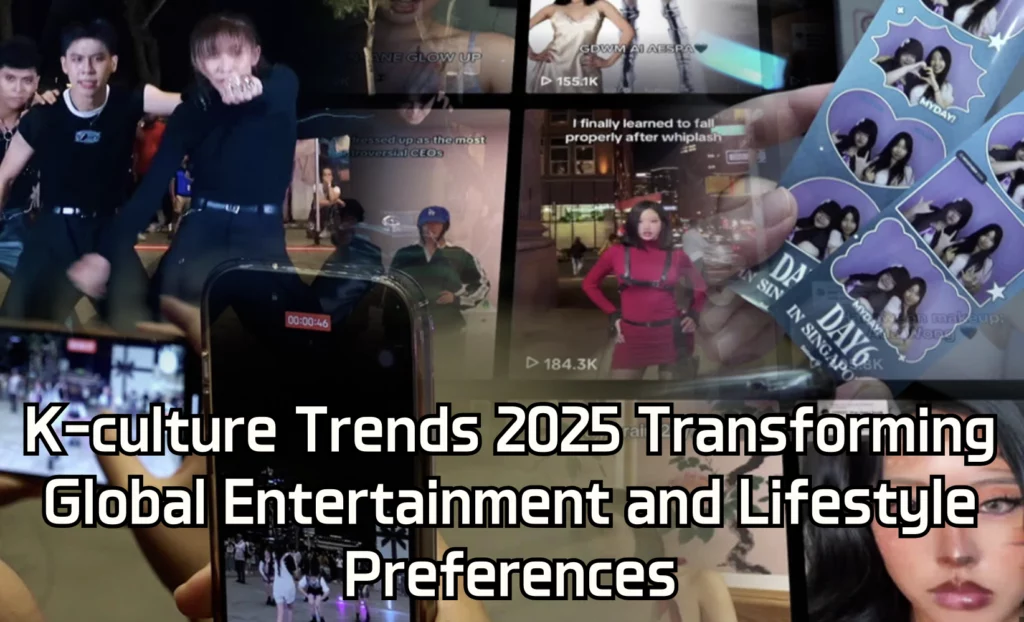
The transformation of K-culture fandom from passive consumption to active prosumer culture represents one of the most significant shifts in how entertainment industries operate. Generation Z and Alpha fans don’t just consume K-culture content—they create, distribute, and amplify it through their own creative efforts.
This prosumer culture manifests in numerous ways: fan translations that make content accessible across language barriers, dance covers that showcase personal creativity while honoring original choreography, and reaction videos that create community experiences around content consumption. These fan-created contents often receive millions of views, effectively becoming marketing channels that expand the reach of original content.
The social impact dimension of modern K-culture fandom cannot be overlooked. Fan communities regularly organize charity drives, environmental initiatives, and social justice campaigns inspired by their favorite artists’ values. This activism demonstrates how entertainment can inspire positive social change and community building beyond mere entertainment consumption.
The economic influence of prosumer culture has forced entertainment companies to rethink their relationship with fans. Companies now actively collaborate with fan creators, provide official support for fan events, and incorporate fan feedback into production decisions. This collaborative approach has created more sustainable and mutually beneficial relationships between creators and audiences.
Future Implications and Cultural Legacy
The K-culture trends 2025 we’re witnessing today represent more than temporary entertainment phenomena—they’re establishing new paradigms for how culture travels, adapts, and influences across global boundaries. Korean success in cultural export provides a blueprint for other nations seeking to share their cultural heritage with international audiences.
The sustainability of Korean cultural influence lies in its ability to evolve while maintaining authenticity. As K-culture continues expanding globally, the challenge will be preserving Korean identity while remaining relevant to diverse international audiences. Early indicators suggest Korean creators are successfully navigating this balance through strategic innovation and cultural sensitivity.
Looking forward, the integration of emerging technologies like artificial intelligence, virtual reality, and blockchain into K-culture production and distribution will likely accelerate globalization while creating new forms of cultural expression. These technological tools will enable even more personalized and interactive cultural experiences that deepen engagement between Korean creators and global audiences.
The educational impact of K-culture’s global success cannot be understated. International interest in Korean language learning has increased dramatically, while Korean studies programs at universities worldwide are experiencing unprecedented enrollment growth. This academic interest ensures that K-culture’s influence will extend beyond entertainment into scholarly and professional domains.
Conclusion
The K-culture trends 2025 transforming our global entertainment landscape demonstrate the power of authentic cultural expression combined with strategic innovation and technological adaptation. From K-pop’s digital evolution to K-drama’s storytelling mastery, from K-beauty’s global expansion to the rise of prosumer fandom culture, Korean cultural exports have redefined what it means to create truly global content.
These trends suggest that the future of entertainment lies not in cultural homogenization but in the celebration of diverse perspectives that can speak to universal human experiences. Korea’s success in balancing cultural authenticity with global appeal provides valuable lessons for creators, marketers, and cultural institutions worldwide.
As we continue through 2025, K-culture trends will undoubtedly continue evolving, shaped by technological advances, changing audience preferences, and global cultural dynamics. What remains constant is the Korean commitment to quality, innovation, and emotional resonance that has made K-culture a permanent fixture in the global entertainment ecosystem.