Explore how K-culture political crisis affects the global entertainment industry. Discover how South Korea’s democratic challenges influence Korean Wave content, international perceptions, and the future of Hallyu worldwide.
South Korea’s entertainment juggernaut faces its most significant test yet as the nation grapples with unprecedented political upheaval. The impeachment of President Yoon Suk Yeol following his controversial martial law declaration in December 2024 has created ripple effects that extend far beyond Seoul’s political corridors, directly impacting the Korean Wave that has captivated global audiences for over two decades.
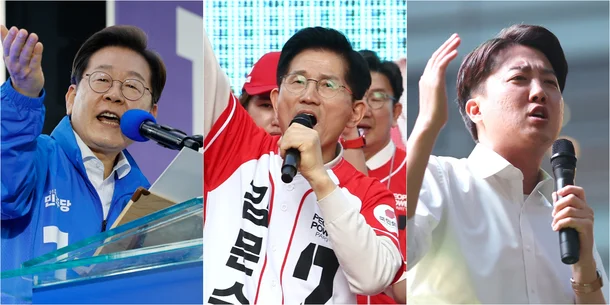
As Lee Jae-myung emerges as the projected winner of the snap presidential election, the entertainment industry watches carefully to understand how this K-culture political crisis will reshape the cultural empire that has made South Korea synonymous with innovation, creativity, and soft power influence.
Korean Wave Democracy Under Pressure From Political Turmoil
The relationship between Korean democracy and cultural expression has never been more scrutinized than during this current crisis. South Korea’s human rights record, while generally positive, faced new challenges as the government increasingly used criminal defamation laws and the National Security Law to limit scrutiny, raising concerns about creative freedom within the entertainment industry.
The martial law crisis represents more than just political instability—it strikes at the core of what has made K-culture so appealing globally. The democratic values and freedom of expression that allowed Korean creators to produce groundbreaking content like “Parasite,” “Squid Game,” and countless K-pop innovations suddenly appeared vulnerable. International organizations, including Freedom House, reduced South Korea’s freedom score from 83 to 81 out of 100, citing concerns about democratic institutions under attack.
This democratic backsliding directly threatens the creative environment that birthed the Korean Wave. Entertainment industry professionals worry that increased censorship or political interference could stifle the artistic innovation that has made Korean content globally competitive. The industry’s ability to tackle social issues, explore diverse narratives, and maintain creative authenticity depends fundamentally on democratic freedoms that appeared fragile during the crisis.
South Korea Entertainment Industry Stability Faces Unprecedented Challenges
The entertainment sector, which has been a cornerstone of South Korea’s economic success, now confronts multiple pressures stemming from the political crisis. The ongoing domestic unrest following President Yoon’s martial law declaration and subsequent impeachment process creates uncertainty that makes it difficult for the government to focus on supporting key export industries, including the cultural sector.
Financial markets have responded nervously to the political instability, affecting entertainment companies’ stock prices and investment plans. Major agencies like HYBE, SM Entertainment, and YG Entertainment face investor concerns about long-term stability in a country experiencing its most severe political crisis since democratization. The uncertainty extends to international partnerships, with global streaming platforms and distributors reassessing their Korean content strategies.
Moreover, the crisis has disrupted government cultural policies that have been instrumental in supporting the Korean Wave’s expansion. The prolonged political uncertainty, potentially lasting months until a new president is elected, means crucial policy decisions about cultural exports, international trade negotiations, and cultural diplomacy are on hold. This policy vacuum occurs at a critical time when the industry needs government support to navigate global challenges.
The entertainment industry’s resilience will be tested as it attempts to maintain international confidence while operating in an unstable political environment. Production schedules, international collaborations, and marketing campaigns all face potential disruptions as the crisis continues to unfold.
Global K-pop Impact Politics Creates New Diplomatic Complexities
K-pop’s global influence has transformed from cultural phenomenon to diplomatic tool, making the current political crisis particularly significant for international relations. The fallout from Yoon Suk Yeol’s impeachment could have massive implications for Seoul’s relations with the United States and Japan, directly affecting how Korean culture is perceived and promoted internationally.
The political crisis coincides with challenging international circumstances. The incoming Trump administration’s return to America-First policies and promises of harsh tariffs would prove devastating to highly export-dependent industries, including cultural products. K-beauty exports, which exceeded $10.2 billion and surpassed French brands like Chanel among US consumers, now face potential trade barriers amid political uncertainty.
International fans and industry observers closely monitor how the crisis affects Korean artists’ ability to comment on social issues or engage in political discourse. K-pop fandoms have historically played significant roles in global political movements, from supporting democracy protests to raising awareness about social justice issues. The current crisis tests whether this political engagement will continue or face restrictions under a new government.
The global perception of Korea as a stable, democratic society that produces authentic, socially conscious content is at stake. As external factors including war, tariffs, and global economic challenges create a markedly different environment than previous recovery periods, the entertainment industry must navigate both domestic political instability and international headwinds.
Cultural Exports Political Uncertainty Threatens Industry Growth
The Korean cultural export industry, valued at billions of dollars annually, faces its greatest challenge since the 1997 Asian Financial Crisis. The Korean Wave first emerged from that financial crisis as the country’s entertainment industry restructured and found new creative freedom, but today’s political crisis presents different challenges that may require equally innovative solutions.
Current political uncertainty affects every aspect of cultural exports, from content creation to international distribution. Production companies must consider how political themes in their content might be received both domestically and internationally. The success of Korean content has often stemmed from its willingness to address social issues and political realities, but the current crisis creates new sensitivities around these topics.
International buyers and streaming platforms express concerns about consistency in Korean content supply and quality during the political transition. Netflix’s recent $2.5 billion investment in Korean content production faces scrutiny as investors question whether political instability might affect the creative environment that made Korean content so globally appealing.
The crisis also impacts cultural diplomacy efforts that have been crucial to Korean Wave expansion. Korea’s hosting of the 2025 APEC Summit requires extensive preparations amidst domestic political uncertainty, testing the government’s ability to maintain its cultural promotion initiatives while managing the political transition.
Cultural export success depends not just on creative talent but also on stable institutional support, clear regulatory frameworks, and consistent government backing for international promotion. The current crisis threatens all these elements simultaneously, creating unprecedented challenges for an industry that has become central to Korea’s national brand.
Korean Content International Perception Shifts Amid Democratic Crisis
The global audience’s perception of Korean content inevitably reflects broader views of Korean society and politics. South Korea has become synonymous worldwide with popular music, television series, and cinema, producing megastar performers despite nuclear-charged threats from neighboring North Korea, demonstrating remarkable cultural resilience under pressure.
However, the current political crisis tests this resilience in new ways. International audiences who have embraced Korean content for its authenticity, social commentary, and democratic values now witness a democracy under stress. This creates complex questions about how political instability might influence creative output and whether Korean content will maintain its distinctive voice.
Media coverage of the crisis internationally often contrasts South Korea’s vibrant cultural scene with its political turmoil, creating a narrative tension that affects international perception. International media characterized the martial law declaration as an attempted coup, comparing it to other democratic crises worldwide, potentially affecting how Korean cultural products are viewed in democratic societies.
The crisis also highlights the interconnection between cultural soft power and political legitimacy. Korean content has been instrumental in building positive perceptions of Korean society internationally, but political instability threatens to undermine these gains. Cultural diplomacy becomes more challenging when the country’s democratic credentials face questioning.
International academic and policy circles debate whether Korea’s cultural influence can remain insulated from political developments or whether the two are inextricably linked. The answer will significantly influence how Korean content is received, promoted, and valued in global markets going forward.
Hallyu Government Policies Face Complete Restructuring Under New Leadership
The incoming Lee Jae-myung administration faces the monumental task of rebuilding confidence in Korean cultural policies while addressing the democratic concerns that emerged during the crisis. Lee’s more moderate stance toward China and different approach to international relations could significantly reshape how Korea promotes its cultural exports globally.
Policy continuity becomes crucial for an industry that has benefited from decades of consistent government support. The Korean government’s dedicated goal to become the world’s leading exporter of popular culture represented a unique national strategy that requires sustained commitment across political transitions. The new administration must demonstrate that political change won’t derail cultural export success.
The crisis has exposed vulnerabilities in how cultural policies interface with democratic governance. Future policies must address concerns about creative freedom, censorship, and the relationship between cultural production and political control. The next president faces daunting challenges that include implementing crucial political reforms while maintaining the conditions that allow creative industries to thrive.
International partners and investors seek assurance that Korea’s cultural sector can operate independently of political interference. The new government’s early cultural policy decisions will signal whether the democratic values that underpin Korean cultural success remain intact or require reinforcement.
Cultural diplomacy strategies also need updating to address changed international perceptions following the crisis. The administration must rebuild confidence in Korean democratic institutions while leveraging cultural soft power to restore international trust and maintain Korea’s position as a cultural superpower.
Bottom Line: The K-culture political crisis represents a defining moment for South Korea’s entertainment industry. While the Korean Wave has demonstrated remarkable resilience throughout its history, the current democratic challenges test whether Korean content can maintain its global appeal while navigating unprecedented political uncertainty. The industry’s future success depends not only on creative talent but also on preserving the democratic values and institutional stability that enabled Korean culture to captivate the world. As the new administration takes shape, the global entertainment landscape watches to see if Korea can emerge from this crisis with its cultural influence intact.
Join the conversation: How do you think political stability affects the authenticity and global appeal of cultural content? Share your thoughts on whether K-culture can maintain its revolutionary impact during times of democratic uncertainty.