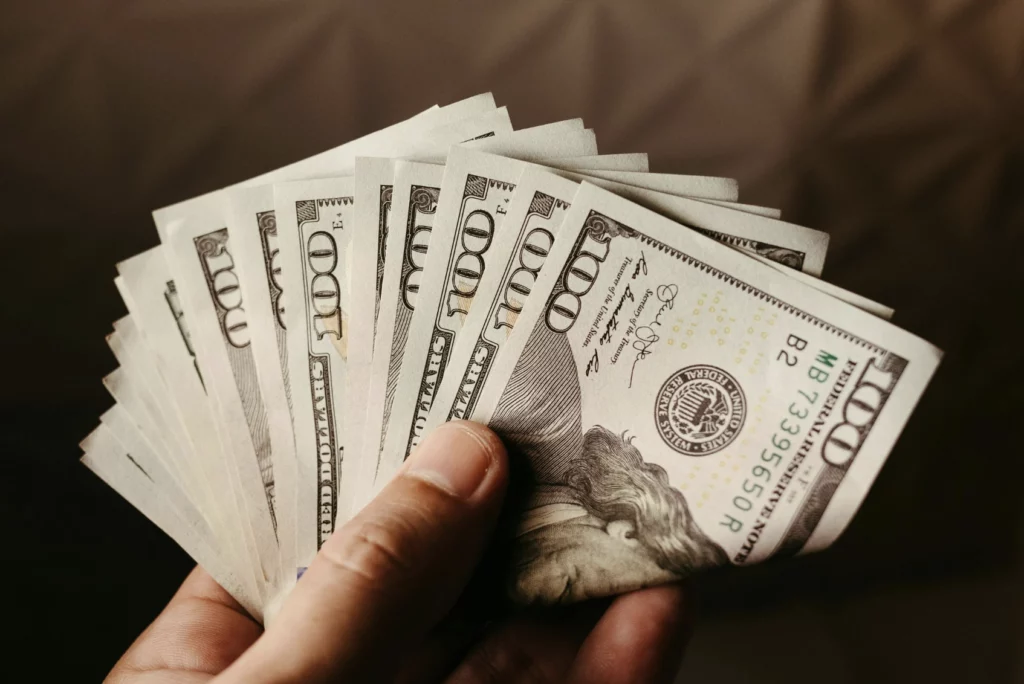
Discover how K-pop stars young and rich culture transforms global luxury consumption patterns, influencing Gen Z spending habits and reshaping brand marketing strategies worldwide through unprecedented wealth accumulation.
The phenomenon of K-pop stars young and rich culture has emerged as one of the most fascinating aspects of contemporary entertainment economics. These incredibly talented artists, many still in their teens and twenties, have accumulated wealth that rivals established business moguls, fundamentally altering how we perceive success, luxury consumption, and cultural influence in the digital age.
This extraordinary wealth accumulation isn’t merely about personal success stories—it represents a seismic shift in global luxury markets, consumer behavior patterns, and cultural influence mechanisms. The K-pop stars young and rich culture has become a powerful force that transcends entertainment boundaries, influencing everything from real estate markets in Seoul to luxury brand strategies in Paris and Milan.
K-pop Luxury Lifestyle Defines New Wealth Standards
The K-pop luxury lifestyle has redefined what it means to be wealthy at a young age. Unlike traditional celebrities who might focus solely on personal indulgences, today’s K-pop stars demonstrate sophisticated investment strategies and business acumen that would impress seasoned financial advisors.
TWICE’s Nayeon exemplifies this trend perfectly. In May 2024, she purchased a high-end apartment in Seoul’s prestigious Nonhyeon-dong for approximately 4 billion won (roughly $3 million USD). What makes this purchase particularly noteworthy isn’t just the price tag, but her strategic approach—she secured a tenant with a 2.8 billion won deposit just five days after the purchase, effectively reducing her actual investment to about 1.1 billion won while maintaining full ownership without any mortgage burden.
This level of financial sophistication demonstrates how the K-pop luxury lifestyle extends far beyond expensive clothes and cars. These young artists are making calculated investment decisions that show remarkable business maturity. Similarly, BIGBANG’s G-Dragon and BTS’s J-Hope have made strategic real estate investments in the same exclusive neighborhood, creating an informal “K-pop millionaire’s row” in one of Seoul’s most expensive districts.
The investment patterns reveal another fascinating aspect of K-pop stars young and rich culture: their preference for tangible assets over purely speculative investments. Real estate, luxury goods with strong resale value, and blue-chip stocks dominate their portfolios, suggesting financial advice that prioritizes wealth preservation alongside growth.
Young Idol Wealth Consumption Transforms Brand Partnerships
The young idol wealth consumption patterns have revolutionized how luxury brands approach marketing and brand ambassadorship. Traditional luxury marketing focused on established celebrities and mature consumers, but K-pop stars young and rich culture has forced brands to reconsider their entire strategic approach.
BLACKPINK’s members serve as prime examples of this transformation. Jennie’s partnership with Chanel, Lisa’s collaboration with CELINE, and Rosé’s relationship with Yves Saint Laurent represent more than simple endorsement deals—they’re comprehensive brand partnerships where the idols help shape product development, marketing campaigns, and global brand positioning.
These partnerships generate extraordinary returns for luxury brands. When Jennie appears at a Chanel fashion show, the media impact value can exceed 4.9 billion won ($3.7 million USD) in equivalent advertising value. This demonstrates how young idol wealth consumption creates a multiplier effect that benefits both the artists and the brands they represent.
The authenticity factor plays a crucial role in these partnerships’ success. Unlike traditional celebrity endorsements where the connection might seem forced, K-pop stars young and rich culture allows these artists to genuinely afford and appreciate the luxury items they promote. When fans see their favorite idols purchasing expensive items with their own money rather than just wearing them for photo shoots, it creates a more compelling and aspirational narrative.
Furthermore, the global reach of K-pop has given luxury brands unprecedented access to markets they previously struggled to penetrate. Young consumers in Southeast Asia, Latin America, and even rural areas of developed countries now aspire to own the same luxury items as their K-pop idols, dramatically expanding the potential customer base for high-end brands.
K-pop Brand Ambassadors Reshape Global Marketing Strategies
The role of K-pop brand ambassadors has evolved far beyond traditional celebrity endorsements, creating new paradigms for luxury brand marketing strategies. These partnerships represent a fundamental shift in how brands connect with younger consumers and expand their global reach.
Major luxury houses have recognized that K-pop brand ambassadors offer something traditional celebrities cannot: authentic cultural bridges between Eastern and Western markets. When Louis Vuitton appointed BTS as global ambassadors, they weren’t just hiring spokespeople—they were gaining access to a sophisticated understanding of global youth culture that their traditional marketing teams couldn’t replicate.
The financial impact of these partnerships extends beyond immediate sales increases. Luxury brands report that K-pop brand ambassadors help them achieve better market penetration rates, higher brand recognition scores, and improved perception among younger demographics. For instance, Gucci’s collaboration with EXO’s Kai resulted in a 300% increase in online engagement and a 150% boost in sales for the specific product lines he featured.
What makes K-pop brand ambassadors particularly valuable is their ability to create organic, lifestyle-integrated content. Rather than obviously staged promotional materials, these artists incorporate luxury items into their daily routines, social media presence, and performance aesthetics. This natural integration creates more authentic connections with consumers who increasingly reject traditional advertising approaches.
The global nature of K-pop fandom also provides luxury brands with unprecedented market research opportunities. By analyzing fan reactions, purchase patterns, and engagement metrics across different countries and cultures, brands can fine-tune their international expansion strategies with remarkable precision.
Korean Celebrity Real Estate Investment Drives Market Trends
Korean celebrity real estate investment patterns have become a significant economic force, influencing property values and investment trends across Seoul’s most prestigious neighborhoods. The concentration of K-pop wealth in specific areas has created unique market dynamics that real estate professionals closely monitor.
The Nonhyeon-dong area, often called “Celebrity Village,” exemplifies this phenomenon. When multiple K-pop stars purchase properties in the same neighborhood, it creates a cascading effect on property values. SEVENTEEN’s Hoshi’s 5.1 billion won apartment purchase in April 2023, followed by other celebrities’ acquisitions, has helped establish the area as Seoul’s most exclusive residential district.
These investments demonstrate sophisticated understanding of Korean real estate markets. Many K-pop stars young and rich culture adherents choose properties that offer both lifestyle benefits and strong investment potential. They prioritize locations with excellent transportation links, premium amenities, and strong resale prospects—showing investment acumen that extends far beyond their entertainment careers.
The ripple effects extend beyond property values. When K-pop celebrities invest in specific areas, it often triggers infrastructure improvements, increases security measures, and attracts high-end retail establishments. Local businesses report significant increases in revenue when celebrity residents bring increased foot traffic and media attention to their neighborhoods.
International real estate markets have also felt the impact. As K-pop stars expand their global presence, some have begun investing in properties in Los Angeles, New York, and other major cities, contributing to the internationalization of Korean entertainment wealth.
Gen Z Luxury Spending Trends Mirror K-pop Influence
The Gen Z luxury spending trends have been dramatically influenced by K-pop stars young and rich culture, creating new consumer behavior patterns that luxury brands are racing to understand and capitalize upon. This generation’s approach to luxury consumption differs fundamentally from previous generations, largely due to K-pop cultural influence.
Research indicates that Gen Z consumers make their first luxury purchase at an average age of 15, approximately 3-5 years earlier than previous generations. This trend correlates directly with the rise of young K-pop stars who normalize luxury consumption at early ages. When teenagers see their favorite 19-year-old idol carrying a $3,000 handbag that they purchased with their own earnings, it shifts perceptions about age-appropriate luxury consumption.
The social media aspect cannot be overlooked. Gen Z luxury spending trends heavily emphasize items that photograph well and generate social media engagement. K-pop stars excel at showcasing luxury items in visually appealing, lifestyle-integrated ways that resonate with young consumers’ desires for Instagram-worthy content.
Department store data reveals that MZ generation consumers (Millennials and Gen Z) now account for over 50% of luxury goods sales, with the K-pop influence being a significant driving factor. The purchasing patterns show preferences for accessories, beauty products, and fashion items that can be prominently displayed and shared on social platforms.
However, this trend also raises important questions about financial responsibility and sustainable consumption habits. While K-pop stars young and rich culture provides inspiring success stories, it’s crucial that young consumers understand the difference between earned wealth and aspirational spending beyond their means.
K-pop Influence on Global Fashion Transcends Entertainment
The K-pop influence on global fashion has created a new category of cultural diplomacy, where music stars serve as informal ambassadors for Korean aesthetics, luxury consumption patterns, and lifestyle philosophies. This influence operates on multiple levels, from high fashion runways to street style trends worldwide.
Fashion weeks in Paris, Milan, and New York now regularly feature K-pop inspired elements, from color palettes to silhouette choices that reflect Korean aesthetic preferences. Designers report that K-pop stars young and rich culture has introduced new concepts of luxury that blend traditional craftsmanship with contemporary digital-age sensibilities.
The democratization of fashion information through social media has amplified K-pop influence on global fashion trends. When a K-pop star wears a particular designer piece, fashion enthusiasts worldwide can identify, research, and potentially purchase similar items within hours. This real-time fashion influence represents a fundamental shift from the traditional fashion calendar system.
Luxury brands have responded by creating K-pop specific product lines and marketing campaigns. These aren’t merely regional adaptations—they’re global products that reflect Korean aesthetic preferences while maintaining the brands’ core luxury positioning. The success of these initiatives demonstrates how K-pop stars young and rich culture has become a legitimate force in international fashion commerce.
The influence extends to emerging designers and fashion students who increasingly incorporate K-pop aesthetic elements into their work. Fashion schools report increased interest in Korean fashion design principles, color theory, and styling approaches that reflect K-pop visual culture.
Conclusion
The K-pop stars young and rich culture phenomenon represents more than entertainment industry success stories—it embodies a fundamental shift in global wealth distribution, luxury consumption patterns, and cultural influence mechanisms. These young artists have demonstrated that age doesn’t limit financial sophistication, investment acumen, or market influence capability.
As this culture continues evolving, it will likely reshape additional industries beyond luxury goods and real estate. The intersection of entertainment success, financial literacy, and cultural influence that K-pop stars young and rich culture represents may well define how future generations approach wealth creation, luxury consumption, and global cultural exchange.
The lasting impact of this phenomenon will be measured not just in sales figures or property values, but in how it has permanently altered global perceptions of youth, success, and cultural influence in our interconnected world.