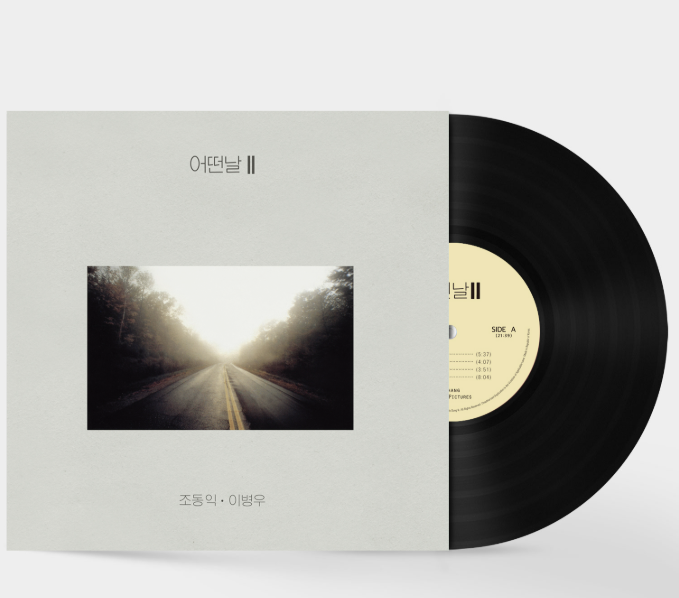
Eotteon Nal’s revolutionary folk albums remain ranked 6th among Korea’s greatest musical achievements, with their quiet intensity and boundary-defying sound continuing to inspire K-pop’s global evolution four decades after their debut.
The Unexpected Pioneers of Korean Music’s Golden Era
When discussing influential forces behind today’s global K-pop phenomenon, many overlook the foundational impact of 1980s revolutionary artists like Eotteon Nal. Formed in 1984 as a project group by brothers Jo Dong-ik and Lee Byung-woo, this legendary folk duo created just two albums that permanently altered Korea’s musical landscape. Their name, meaning “Some Day” in Korean, was inspired by a track from Jo Dong-jin’s second album—a musical connection that foreshadowed their own influential journey.
Unlike today’s carefully manufactured idol groups, Eotteon Nal emerged from Korea’s underground folk scene during a pivotal renaissance period for Korean music. Their 1986 debut album and 1989 follow-up might seem modest compared to today’s high-production K-pop releases, but industry insiders consistently rank them 6th among Korea’s greatest musical achievements. This positioning isn’t merely nostalgic—it recognizes how their innovative sound bridged traditional Korean sensibilities with Western influences decades before “Korean Wave” became a global marketing term.
What makes this ranking particularly impressive is their limited discography. While many legendary artists produced dozens of albums across decades, Eotteon Nal’s entire catalog consists of just two releases before their 1989 hiatus. Yet these albums continue resonating with new generations of listeners and musicians alike. The enduring popularity of their music on modern streaming platforms demonstrates remarkable staying power for four-decade-old music.
The Sonic Blueprint That Transcended Korean Folk Traditions
What exactly made Eotteon Nal’s sound so revolutionary that it continues influencing today’s K-pop landscape? Their signature style—described by critics as “quiet intensity” and “serene vibrations”—defied easy categorization by blending folk fundamentals with elements of fusion jazz and rock. This genre-bending approach created a blueprint that modern K-pop producers still reference when seeking distinctive sounds that can penetrate international markets.
Lee Byung-woo’s guitar work particularly stands out as transformative. His technical prowess combined with emotional expressiveness created textures rarely heard in Korean music at that time. Many contemporary producers have acknowledged the influence of pioneering artists like Lee when developing the distinctive instrumental layers that characterize modern K-pop tracks. This connection represents a direct lineage of musical innovation spanning four decades.
The duo’s vocal approach similarly broke new ground. Jo Dong-ik’s introspective delivery prioritized emotional authenticity over technical showmanship—a philosophy that influenced generations of Korean vocalists. Today’s K-pop training systems, while much more technically rigorous, still emphasize the emotional connection that artists like Eotteon Nal pioneered. The balance between technical precision and emotional authenticity remains a defining characteristic of the most compelling Korean music.
Eotteon Nal I: The Debut Album That Challenged Musical Conventions
Released on December 10, 1986, Eotteon Nal’s debut album arrived during a transformative period for Korean music. The country was experiencing rapid economic development alongside political tensions, creating fertile ground for artistic expression that reflected these complex dynamics. Rather than offering simplistic escapism, Eotteon Nal I presented thoughtful compositions that invited listeners into contemplative sonic spaces.
Standout tracks like “Haneul” (Sky), “Geu Nal” (That Day), and “Neomu Aswipge Hajima” (Don’t Be Too Sorry) showcased their distinctive combination of poetic lyrics with instrumental arrangements that refused classification. Music critic Kim Hak-sun described their sound as creating “quiet tremors” that resonated deeply with listeners seeking meaningful connections beyond mainstream pop formulas.
What’s particularly striking about this album from a contemporary perspective is how its production values still hold up against modern releases. The minimalist approach—prioritizing authentic performances over technical manipulation—created timeless recordings that sound remarkably fresh today. This stands in interesting contrast to early K-pop productions from the 1990s, which often sound dated due to their reliance on production trends that didn’t age as gracefully.
Eotteon Nal II: The Sophomore Masterpiece That Solidified Their Legacy
Released on June 20, 1989, their second album expanded their musical vision while maintaining their authentic core. By this time, the Korean music industry was rapidly evolving toward more commercial approaches, yet Eotteon Nal remained committed to their artistic integrity. This album featured more sophisticated arrangements while preserving the emotional directness that defined their debut.
Music critic Kim Bong-hyun noted that this album successfully incorporated elements of Western pop sophistication while remaining distinctly Korean in its emotional landscape. This cultural balancing act—combining international production techniques with distinctly Korean emotional sensibilities—established a template that today’s K-pop industry has perfected on a global scale.
Perhaps most remarkable is how these songs continue connecting with new audiences. The continued discovery of Eotteon Nal’s music by younger generations of listeners demonstrates how truly timeless their compositions are. Music students and emerging artists frequently cite their work as influential despite being created decades before many of today’s listeners were born.
The “Musicians’ Musicians” Who Shaped Korea’s Creative Elite
The term “musicians’ musicians” perfectly captures Eotteon Nal’s unique position in Korean music history. While they never achieved the massive commercial success of later pop acts, their influence on other creators established an artistic legacy that continues expanding through generations of Korean musicians. This ripple effect helps explain their consistent ranking among Korea’s most important musical contributions.
Kim Hyun-chul, a renowned composer and producer, has openly credited his musical journey to a chance encounter with Jo Dong-ik. Similarly, Yoo Hee-yeol—one of Korea’s most respected music producers and a key figure behind many successful K-pop acts—has spoken about being deeply influenced by Eotteon Nal during his formative years.
This mentorship effect created an artistic genealogy that flows directly into today’s K-pop industry. Many of today’s successful producers and composers were influenced by musicians who were themselves inspired by pioneers like Eotteon Nal. This creates a direct lineage connecting their innovative 1980s approach to the sophisticated productions dominating global charts today. The artistic philosophies established by foundational artists continue informing production approaches four decades later.
Contemporary Reinterpretations Affirm Their Continuing Relevance
The ultimate testament to musical legacy is how later generations reinterpret and reimagine original works. By this measure, Eotteon Nal’s influence continues expanding rather than diminishing. Artists like Brown Eyed Girls and Toheart have officially recorded covers of Eotteon Nal songs, bringing their music to new audiences. Even more telling is how artists from completely different genres find inspiration in their work.
Korean hip-hop producer Changmo attempted to sample Eotteon Nal’s music for his debut album—a clear indication of their cross-generational appeal. While the official sampling permissions weren’t granted, this attempted creative connection demonstrates how their musical DNA continues inspiring creators across genre boundaries.
What’s particularly fascinating is comparing how Eotteon Nal’s influence differs from Western musical influences on K-pop. While many K-pop productions directly reference Western pop, hip-hop, and electronic music trends, the influence of artists like Eotteon Nal operates at a more fundamental level—affecting philosophical approaches to songwriting, emotional expression, and cultural authenticity rather than specific sonic trends.
Why Eotteon Nal Remains Critical to Understanding Modern K-pop
For international audiences newly discovering Korean music through global K-pop phenomena like BTS, BLACKPINK, and NewJeans, understanding foundational influences like Eotteon Nal provides valuable context for appreciating the depth of Korean musical traditions. Their 6th-place ranking among Korean albums reflects not just historical importance but continuing relevance to the evolution of Korean music.
The quiet revolution they started—prioritizing emotional authenticity, blending diverse influences into cohesive artistic statements, and maintaining cultural specificity while incorporating international elements—established principles that define Korean music’s unique global position today. Industry leaders often acknowledge how these pioneering artists created Korea’s distinctive musical language—a language that global audiences now find both intriguingly different and emotionally accessible.
For today’s aspiring musicians, Eotteon Nal offers timeless lessons about artistic integrity and emotional connection. In an era where production technology allows unlimited possibilities, their focused approach demonstrates how intentional constraints can create more impactful art. This philosophical influence extends beyond technical aspects into the mindset that allows Korean artists to maintain distinctive identity within global contexts.
Experiencing Eotteon Nal in 2024: Where Classic Meets Contemporary
For readers interested in experiencing this legendary duo’s music, their catalog has finally become widely accessible on global streaming platforms—a development that Korean music historians have celebrated as long overdue. Their complete works are now available on major streaming services with remastered audio that preserves their original character while meeting contemporary listening standards.
What surprises many first-time listeners is how contemporary these recordings feel despite their age. The minimalist production approach and emphasis on authentic performances created recordings that transcend their era. While you won’t find the elaborate production techniques and perfect vocal processing of modern K-pop, you’ll discover the emotional foundation that makes today’s Korean music so compelling globally.
For those wanting to trace Korean music’s evolutionary path from Eotteon Nal to today’s global K-pop phenomena, exploring key artists spanning these four decades provides fascinating insight. Starting with Eotteon Nal’s introspective folk, progressing through Seo Taiji & Boys’ revolutionary blend of hip-hop and Korean sensibilities, into first-generation idol groups like H.O.T. and S.E.S., and finally to today’s sophisticated global acts reveals how Korean music evolved while maintaining consistent cultural threads.
What’s your experience with classic Korean music? Have you explored beyond contemporary K-pop into its rich historical foundations? Share your thoughts in the comments below and let’s continue exploring Korea’s extraordinary musical journey together!