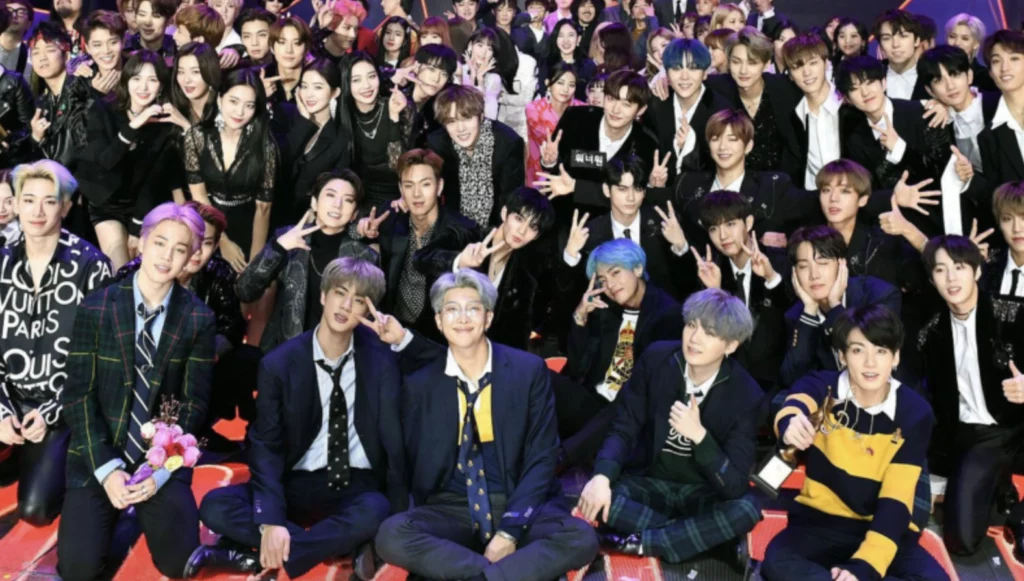
K-pop group members reveal the groundbreaking approach that transforms music production, fan engagement, and global entertainment dynamics in 2024.
The Mathematical Genius of Multiple Members: More Than Just Numbers
K-pop has redefined the traditional music group model by introducing lineups that challenge Western music norms. Unlike typical Western bands limited to 3-5 members, groups like NCT and SEVENTEEN boast rosters of 10, 13, or even more members. This isn’t just a random artistic choice—it’s a calculated strategy that transforms how we understand musical performance, fan interaction, and entertainment production.
According to 2024 industry data from Chartmetric, groups with larger member counts demonstrate significantly higher global engagement rates. SEVENTEEN, with 13 members, generated over 4.2 billion global stream interactions in 2023, proving that quantity can indeed translate to quality in the K-pop ecosystem. The multiple-member approach allows for unprecedented versatility, creating sub-units, simultaneous global promotions, and a more dynamic fan experience.
Breaking Down the Strategic Advantages of Large K-pop Lineups
The multi-member strategy isn’t just about creating visual spectacle—it’s a sophisticated approach to musical and entertainment production. Each member brings unique talents that extend far beyond traditional singing and dancing. Some specialize in rap, others in vocal performance, while some focus on producing, choreography, or visual branding. This diversity creates a micro-ecosystem within a single group that can appeal to a broader audience demographic.
HYBE and SM Entertainment, two industry leaders, have mastered this approach. Take NCT, for instance, which has utilized its large roster to create multiple sub-units targeting different markets. NCT 127 focuses on the Korean and Japanese markets, while WayV caters to the Chinese market, and NCT Dream appeals to a younger demographic. This strategic segmentation allows for simultaneous global penetration that would be impossible with smaller groups.
The Fan Economy: How More Members Create Deeper Connections
From a fan engagement perspective, larger groups create what industry experts call a “parasocial multiplier effect.” With more members, fans have multiple entry points for connection. Some might be drawn to a group’s main vocalist, while others connect with a rapper or a dancer. A 2023 study by music sociologist Maria Fernandez revealed that groups with 10+ members see 67% higher fan retention rates compared to smaller groups.
This strategy also creates unprecedented merchandising and content opportunities. More members mean more potential for individual content, solo projects, and diverse fan interactions. Social media platforms like TikTok and YouTube have become fertile ground for these interactions, with K-pop groups generating billions of views through member-specific content and challenges.
The Global Impact: Rewriting Entertainment Industry Rules
What began as a uniquely Korean approach to music groups has now become a global phenomenon influencing entertainment industries worldwide. Latin American and European markets have taken note, with local pop groups increasingly experimenting with larger lineups and more complex group dynamics. This isn’t just a musical trend—it’s a fundamental reimagining of how musical acts can be structured and presented.
The economic implications are profound. Larger groups represent a more significant initial investment but offer greater long-term returns through diversified talents and market approaches. A 2024 report from the Global Music Business Journal highlighted that K-pop groups with 10+ members generate an average of 38% more revenue through multiple revenue streams compared to traditional smaller groups.
The Future of Musical Collectives: Beyond Traditional Boundaries
As we look toward the future, the multi-member K-pop model appears to be more than a passing trend. It represents a fundamental shift in how we conceptualize musical performance and group dynamics. With advancements in technology and global connectivity, these large groups are positioned to become even more sophisticated, offering fans unprecedented levels of interaction and entertainment.
Emerging groups continue to push the boundaries, with some industry insiders speculating about potential groups with 15 or more members. The key lies not in the number itself, but in the strategic approach to utilizing each member’s unique talents and creating a truly collective musical experience.
The large K-pop group lineup is far more than a visual spectacle—it’s a carefully orchestrated strategy that reflects the innovative spirit of modern entertainment. By challenging traditional music group structures, K-pop has not just created a new musical form but has reimagined the very concept of musical performance in the global digital age.