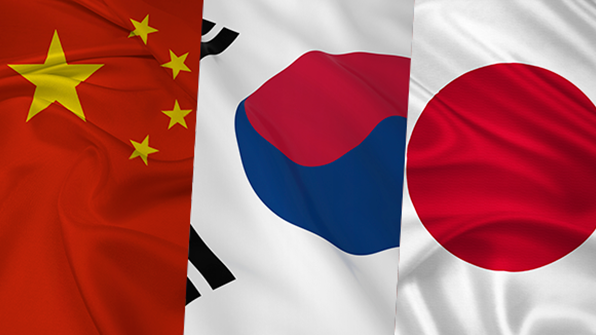
Japanese and Chinese music industries influence on K-pop has been profound, creating a unique hybrid that has captivated global audiences while establishing its own distinctive identity in the international music landscape.
Japanese Industry Models Revolutionized K-pop Entertainment Systems
The foundational blueprint of K-pop’s entertainment system bears unmistakable Japanese influences. When Lee Soo-man established SM Entertainment in the early 1990s, he deliberately studied and adapted Japan’s idol production system pioneered by Johnny & Associates. This methodical approach to talent development—where trainees undergo years of comprehensive preparation in singing, dancing, and public image management—was revolutionary in South Korea at the time.
HYBE (formerly Big Hit Entertainment) CEO Bang Si-hyuk has openly acknowledged studying the Japanese idol ecosystem before developing BTS’s career trajectory. The Japanese concept of “idols as multiplatform entertainers” directly influenced how K-pop stars are positioned not merely as musicians but as comprehensive entertainers appearing on variety shows, dramas, and advertisements. This multifaceted approach has become a defining characteristic of K-pop careers.
Beyond training systems, concert production techniques have heavily borrowed from Japanese pop culture. TWICE’s elaborate concert productions echo the theatrical elements pioneered by Japanese groups like AKB48, while NCT’s complex subunit system draws inspiration from Johnny’s Entertainment’s strategic approach to market segmentation through various group formations.
Chinese Market Expansion Strategies Transformed K-pop’s Global Reach
China’s massive entertainment market has fundamentally reshaped K-pop’s internationalization strategy. When THAAD missile defense systems created diplomatic tensions between South Korea and China in 2016-2017, the subsequent Chinese ban on Korean cultural imports forced entertainment companies to diversify their markets—ultimately accelerating K-pop’s western expansion.
SM Entertainment’s strategic incorporation of Chinese members in groups like EXO (with originally six Chinese members) and WayV (a primarily Chinese subunit of NCT) demonstrates the industry’s deliberate targeting of the Chinese market. These Chinese members served as cultural and linguistic bridges, helping K-pop navigate complex regulatory environments while establishing authentic connections with Chinese audiences.
The enormous commercial potential of the Chinese market has also influenced content creation strategies. Groups like BLACKPINK have incorporated Chinese aesthetic elements in music videos like “How You Like That,” while artists such as Jackson Wang (GOT7) have successfully balanced K-pop careers with independent Chinese market activities. This dual-market approach has become a template for many K-pop artists seeking to maximize their international appeal.
Digital Innovation Exchange Between East Asian Music Markets
The technological innovations flowing between Korean, Japanese, and Chinese music industries have collectively elevated K-pop’s global digital presence. Japan’s pioneering mobile music consumption platforms influenced early K-pop digital strategies, while China’s advanced social media ecosystem—particularly platforms like Weibo and WeChat—provided K-pop companies with sophisticated fan engagement models.
BTS’s groundbreaking approach to social media storytelling draws inspiration from both markets—combining Japan’s narrative-driven idol promotion with China’s interactive digital fan culture. SEVENTEEN’s integration of Chinese live-streaming tactics during their “Henggarae” promotion period demonstrated how K-pop continues to adopt successful elements from neighboring markets. Similarly, aespa’s virtual avatar concept shows clear influence from both Japanese virtual idol culture and Chinese digital entertainment innovations.
This technological cross-pollination has created a distinctly East Asian approach to music marketing that differentiates K-pop from Western models. The seamless integration of physical album collecting culture (from Japan) with digital streaming dominance has given K-pop a unique commercial advantage in global markets.
Cultural Hybridization Creating K-pop’s Distinctive Identity
While K-pop has extensively borrowed from both Japanese and Chinese entertainment models, its greatest strength lies in its ability to synthesize these influences into something distinctly Korean. The industry’s sophisticated approach to cultural adaptation—taking elements from neighboring markets while adding uniquely Korean sensibilities—has created a formula that resonates globally.
BLACKPINK’s “DDU-DU DDU-DU” demonstrates this hybridization masterfully, combining Japanese visual kei aesthetic elements with Chinese-influenced fashion and distinctly Korean production styles. Stray Kids’ approach to self-production draws on the Japanese band culture of creative autonomy while incorporating Chinese market-friendly distribution strategies.
The global success of NewJeans illustrates how the newest generation of K-pop acts continues this tradition of cultural synthesis—their nostalgic Y2K aesthetic combines Japanese Harajuku fashion sensibilities with Chinese-influenced digital marketing strategies, all while maintaining distinctly Korean musical production. This cultural hybridization process has become increasingly sophisticated, with K-pop no longer merely adapting foreign models but actively creating innovative approaches that are now being adopted by Japanese and Chinese entertainment companies themselves.
As K-pop continues its global expansion, this intricate relationship with neighboring Asian music industries remains fundamental to understanding its evolving identity and unprecedented international appeal. The industry’s ability to absorb, transform, and reexport cultural influences represents a masterclass in cultural adaptation that has positioned K-pop as perhaps the most successful non-Western popular music form in global entertainment history.